Built 1967
CD1
Whereabouts unknown
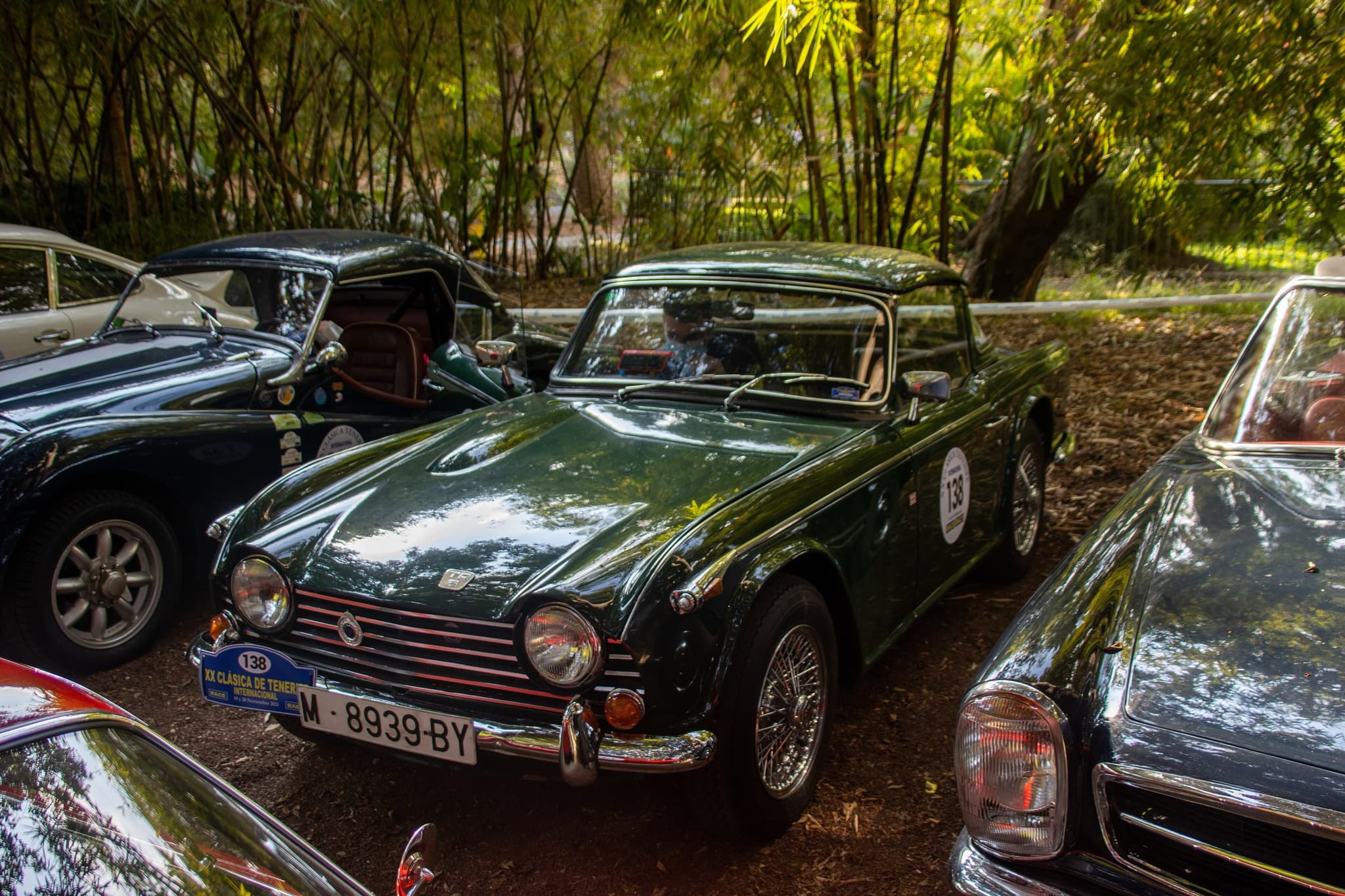
The TR5s and TR250s with stories of their own: the Wasp prototypes, the first and last cars off the line, a press car and a police car, Michelotti's Ginevra, the Sebring TR250K, and the cars privateers rallied and raced.
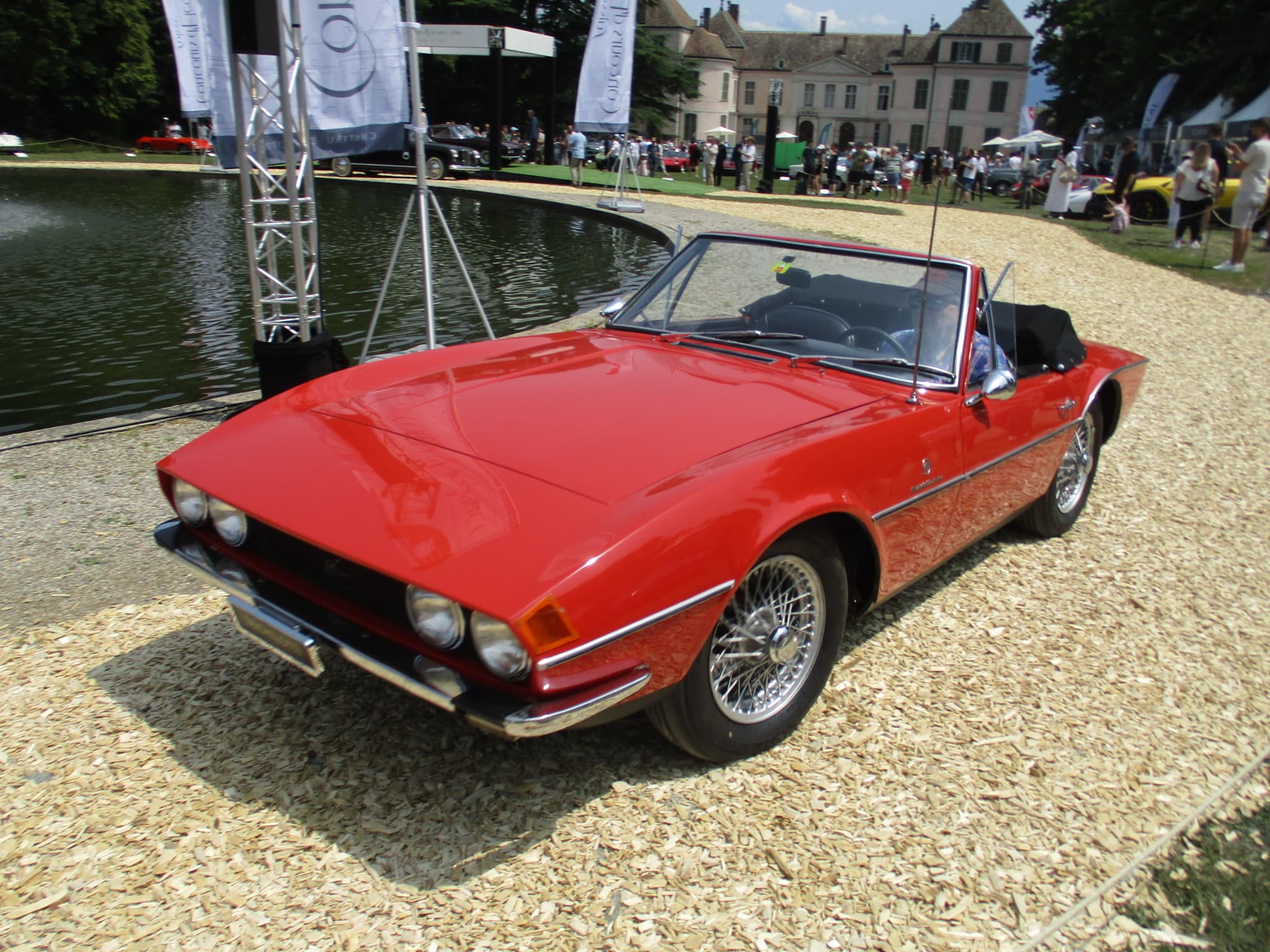
Few TR5s were built, and almost all of them led private lives. A few did not. Some were built before the TR5 existed, to prove it; some mark the beginning and the end of the line; one was lent to a magazine and another taken by a police force; two were one-offs; and a handful went rallying and racing. The cars with records of their own are listed below, and two have pages.source 1source 2source 3
The project was called Wasp, and its cars carried X numbers. Michael Richards lists seven: X747, built in February 1965; X748, a year later; X753, X754 and X755, registered in 1967; and X760 and X761, built that year. The cards below give the registrations of those that had them.
Two have later stories. Revington TR records that X747 was registered to Lucas for injection development, and that Lucas kept it until 1972. X760 became something else: Giovanni Michelotti's Ginevra was built on it, as tr5passion.com records. What became of the others is not known from any source read.source 1source 4source 3
Production began with a TR250, CD1, on 11 July 1967, and the first production TR5 PI, CP2, followed on 29 August. The last of each, CP3101 and CD8594L, was built on 19 September 1968.
Motor Sport borrowed a Valencia blue TR5 PI from Standard-Triumph for the test it printed in August 1968; road tests tells its story. And in July 1968 the importer's newsletter in America pictured a TR5 that the Coventry police had taken for motorway (expressway) patrol, and the TR250 page quotes its caption. No source read gives either car's number.source 2source 5source 3source 6source 7source 8
Two one-offs made their debuts in the same month, March 1968. The TR5 Ginevra was Giovanni Michelotti's open two-seater for the Geneva show, built on X760 in about 15 days, which survives in private hands. The TR250K, a prototype from Kas Kastner's competition department with an aluminium body that Peter Brock drew, retired from the Sebring 12 Hours with a broken wheel and also survives. Neither went into production.source 3source 9source 10source 11
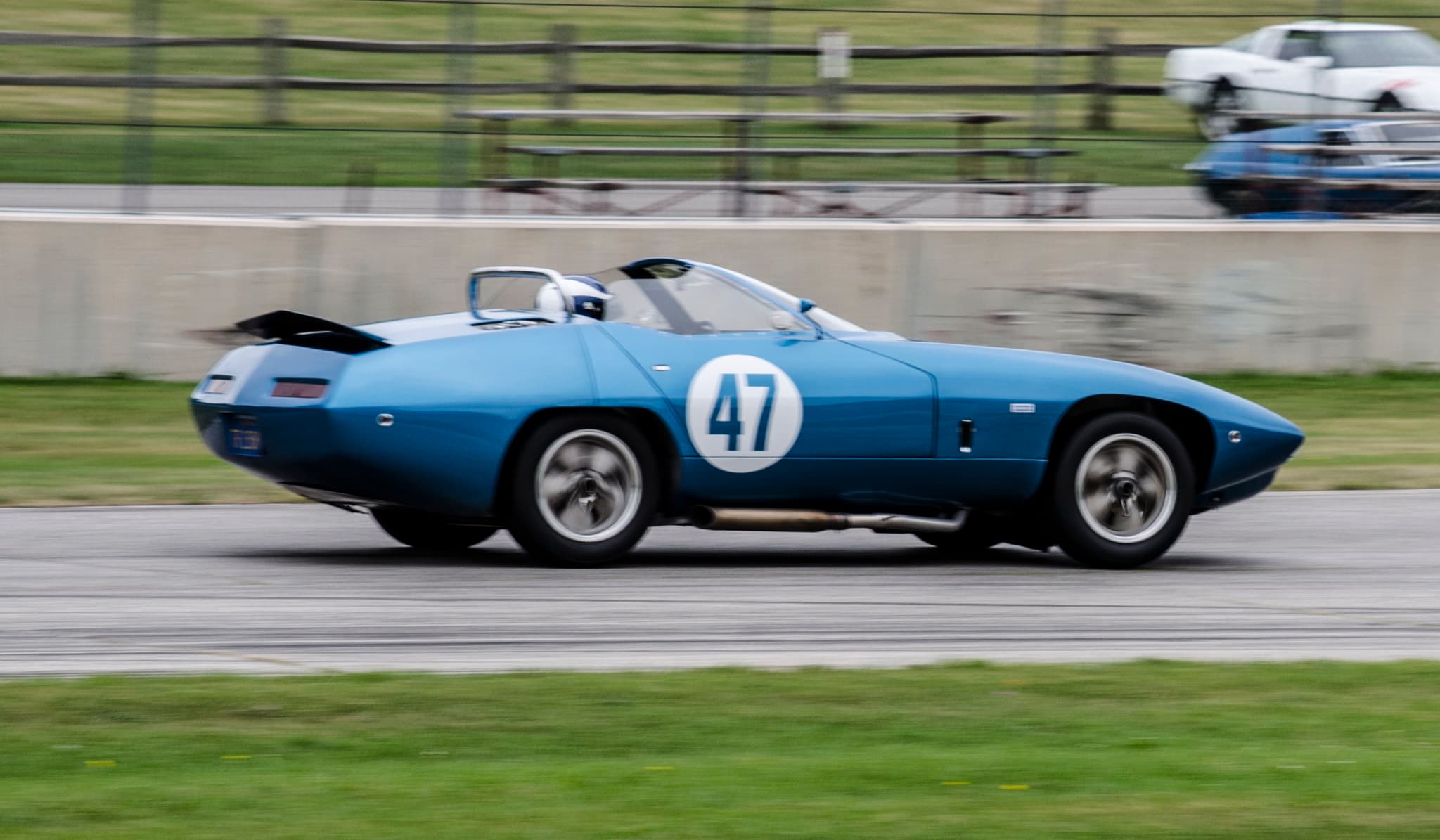
Private owners raced and rallied the TR5. Roger Barbara, the Triumph agent at Aire-sur-la-Lys, told Frédéric Reydellet of tr5passion.com that he took his TR5 to Portugal for the rally of 1968 and again in 1969, and to the 84-hour Marathon de la Route at the Nürburgring in 1968, which it did not finish. Jean-Jacques Thuner, who had driven works Triumphs, told him of the Swiss importer's TR5, which he drove in the Monte Carlo and Geneva rallies and in hill climbs. In Sicily in May 1969 a car entered by A. C. Smith, No. 112, which racingsportscars lists as a TR5, ran in the Targa Florio and retired.
In America the racing cars were TR250s: Group 44's in the East, which Bob Tullius drove, and the competition department's in the West, which Jim Dittemore drove. Their seasons are on racing.
In 1990 Motor Sport tried a racing TR5 at Cadwell Park, built in 1967 and made into a racer from 1984, which had already won two championships that season.source 3source 12source 13source 14source 15
Built 1967
Whereabouts unknown
Built 1968
Whereabouts unknown
Built 1967
Whereabouts unknown
Built 1968
Whereabouts unknown
Survives
Built 1965
Whereabouts unknown
Built 1966
Whereabouts unknown
Whereabouts unknown
Whereabouts unknown
Whereabouts unknown
Built 1967
Whereabouts unknown
Sources are given as plain text; their addresses are on the sources page.